








Digital Transformation · 19 October 2026
Microsoft 365 Retiring Calendar, People and Files Companion Apps
Microsoft is retiring three companion services in its 365 suite (Calendar, People and Files), according to TechRadar reporting, reversing a rollout that began late last year. Organisations should confirm timing and replacement arrangements with Microsoft directly.

What happened
Microsoft is retiring three companion services in its 365 suite, Calendar, People and Files, according to reporting by TechRadar. The withdrawal reverses a rollout that began late last year, when Microsoft started installing these apps automatically for users.
The coverage describes the cuts as planned and complete, meaning the services are being pulled altogether rather than moved or folded into another product. The available reporting is brief, so details such as timing, affected plan tiers and any replacement arrangements should be confirmed against Microsoft's own communications before organisations act on them.
Why it matters
For organisations running Microsoft 365, the story is less about three apps than about how software estates change without much warning. When a vendor installs tools automatically and later withdraws them, IT and digital teams inherit the work of establishing what users actually relied on, what needs re-training and what must be communicated. That is a digital transformation question as much as a product one. It tests whether an organisation keeps a current inventory of the cloud services in use and has a named owner for each.
From an experience perspective, the people most affected are employees who have built routines around calendars, contacts and files. Removing a familiar entry point can create friction even where a substitute exists, because habits and navigation are tied to where things used to sit. Service design teams should therefore treat platform retirements as change events with a visible customer and employee impact, not as back-office housekeeping.
The Renascence take
Most readers will file this under product housekeeping. We think it is a more useful stress test of how much of the modern workplace now rests on services the organisation does not control.
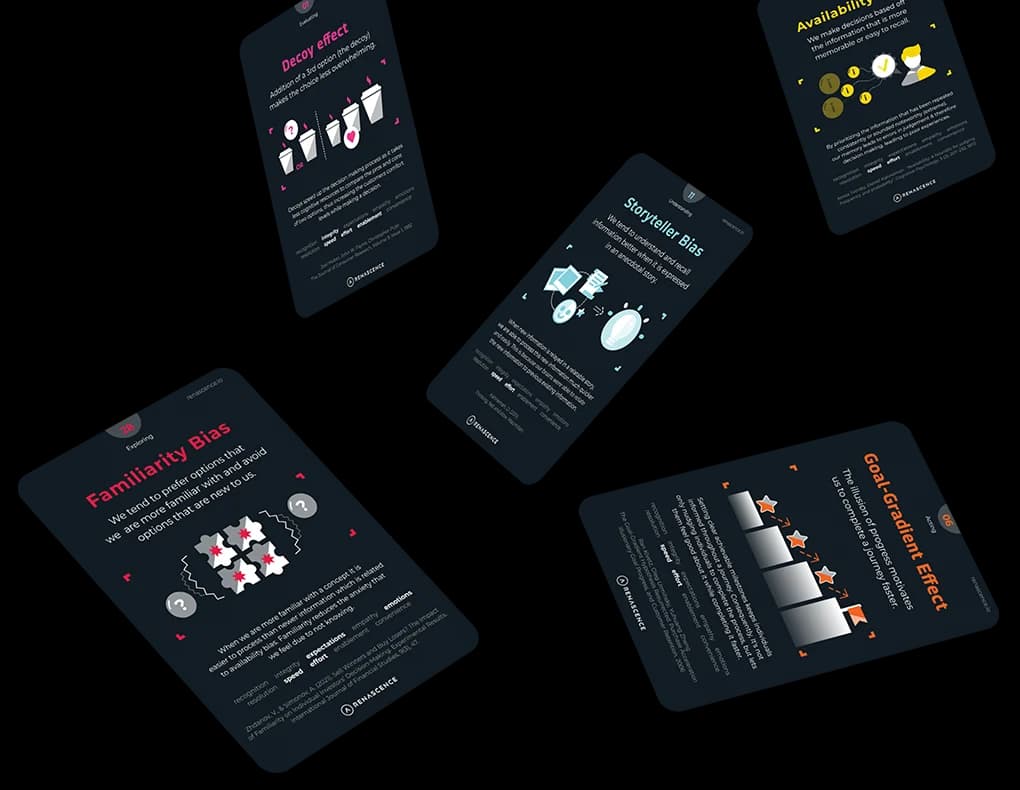
The real lesson is not which apps disappear but how quickly a default becomes a dependency. Behavioural economics has long shown that defaults shape what people do, so an automatic installation can quietly become part of the working day before anyone has made a deliberate choice to use it. Customer-obsessed operators should map which vendor-supplied defaults their people depend on and treat each one as a service with a named owner and a rollback plan. If you learn about your dependencies from a retirement notice, your staff have already absorbed the experience cost.
Sources
This briefing was written by our Newsdesk, synthesising reporting from the outlets below. Follow the links for the original coverage.
FAQ
Questions we get on this topic
More in Digital Transformation
Stay ahead of CX
Get the signal, not the noise.
The stories shaping customer experience — plus the Journal and Experience Loom — in your inbox.