
AI · 29 July 2026
CallRail Voice Assist: Standalone Access and Contextual AI Texting
CallRail has made Voice Assist available as a standalone product and added shared conversation history and post-call AI SMS — directly tackling the customer reset problem in automated service.

What happened
CallRail has expanded access to its Voice Assist product, making the AI-powered answering tool available to any business regardless of whether it uses CallRail's broader call-tracking platform. Previously positioned as an add-on within the CallRail ecosystem, Voice Assist can now operate as a standalone offering — a deliberate move to widen the addressable market beyond the company's existing customer base.
Alongside the access expansion, CallRail has introduced two notable capability upgrades: AI-powered text messaging that allows Voice Assist to continue a conversation via SMS after a call ends, and a shared conversation history that gives the assistant context from prior interactions. The result is an assistant that no longer treats each call as an isolated event but instead carries forward what it already knows about a customer.
Why it matters
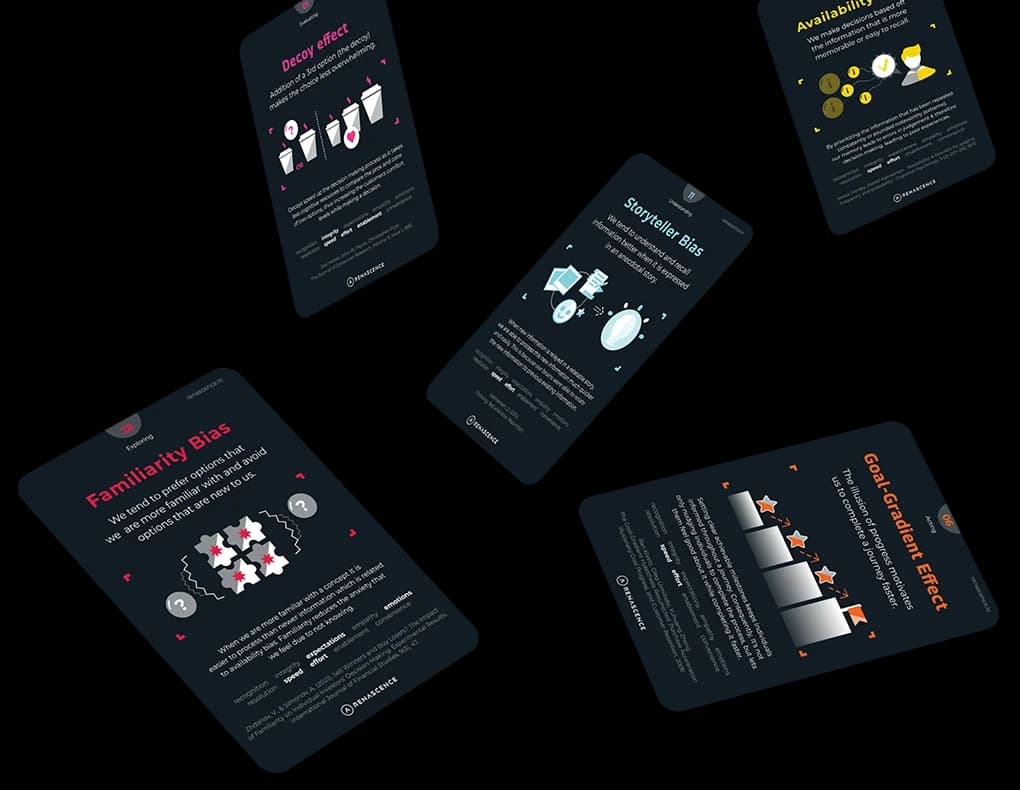
For customer-experience practitioners, the most consequential detail here is not the standalone availability — it is the contextual memory. One of the most persistent friction points in automated service is the reset problem: customers who have spoken to a brand before are forced to re-identify themselves and re-explain their situation at every touchpoint. Shared conversation history directly attacks that failure mode, reducing the cognitive load on the customer and signalling that the business actually remembers them. In behavioural-economics terms, this maps onto the recognition heuristic — people trust and prefer entities that demonstrate familiarity with them.
The addition of post-call AI texting is equally significant from a service-design perspective. It extends the service moment beyond the call itself, creating a low-effort follow-up channel that keeps the conversation alive without requiring the customer to initiate again. For small and medium-sized businesses in particular — the segment CallRail is most visibly targeting with the standalone move — this kind of asynchronous continuity has historically been out of reach without significant technology investment.
By the numbers
- 2 new capabilities launched alongside the access expansion: AI-powered SMS follow-up and shared conversation history.
- 1 platform dependency removed: Voice Assist no longer requires a CallRail call-tracking subscription to operate.
The Renascence take
Most coverage of this announcement will focus on the go-to-market angle — CallRail opening a new revenue lane by decoupling a product from its platform. That is the business story. The CX story is subtler and more important: the industry is quietly shifting its definition of what an AI assistant is supposed to remember.
The real competitive advantage in AI-assisted service will not come from how well a bot handles a single call — it will come from how much it already knows before the call begins. Contextual memory is the feature that separates a tool from a relationship. What most operators miss is that customers do not grade interactions in isolation; they grade the cumulative experience of being known or unknown by a brand. A customer-obsessed operator should be asking right now: across every automated touchpoint we run, what does our system actually remember — and what does it force the customer to repeat? That gap is where trust is lost, one reset at a time.
Sources
This briefing was written by our Newsdesk, synthesising reporting from the outlets below. Follow the links for the original coverage.
More in AI
Stay ahead of CX
Get the signal, not the noise.
The stories shaping customer experience — plus the Journal and Experience Loom — in your inbox.