
Customer Service · 30 September 2026
LG Uplus's AI-Native Contact Centre Aims to Cut Wait Times
LG Uplus has unveiled an 'AI-native contact centre' strategy that builds AI into the core of its customer service operations, aiming to remove wait times rather than simply automating existing queues.

What happened
LG Uplus, the South Korean telecommunications operator, has announced a strategic shift toward what it calls an "AI-native contact centre," a model designed to remove customer wait times from its service operations. The announcement, reported by Korea IT Times, positions artificial intelligence not as an add-on to existing call-centre infrastructure but as the foundational architecture for how the company plans to handle customer contact going forward.
Details beyond the strategic direction remain limited in current reporting, but the framing is clear: LG Uplus is signalling a move away from traditional queue-and-agent contact centre models toward one built around AI handling interactions from the outset, rather than AI being layered onto legacy systems as a support tool.
Why it matters
For telecom operators and other high-volume service businesses, wait time is one of the most persistent sources of customer frustration and one of the clearest levers for differentiation. An "AI-native" approach — rather than a bolted-on chatbot or IVR layer — suggests a more structural rethink of how contact centres are designed, potentially reshaping workforce planning, escalation paths and the role of human agents in resolving complex cases.
This matters beyond Korea because it reflects a broader industry pattern: large telecom and utility providers, which manage some of the highest inbound contact volumes of any sector, are increasingly treating AI as core infrastructure rather than experimental tooling. How LG Uplus defines and measures "eliminating" wait time will be an important signal for whether this is a genuine architectural shift or a rebranding of existing automation efforts.
The Renascence take
Ambitions to "eliminate" wait times are attractive headlines, but the behavioural reality of queuing is more nuanced than raw speed alone.
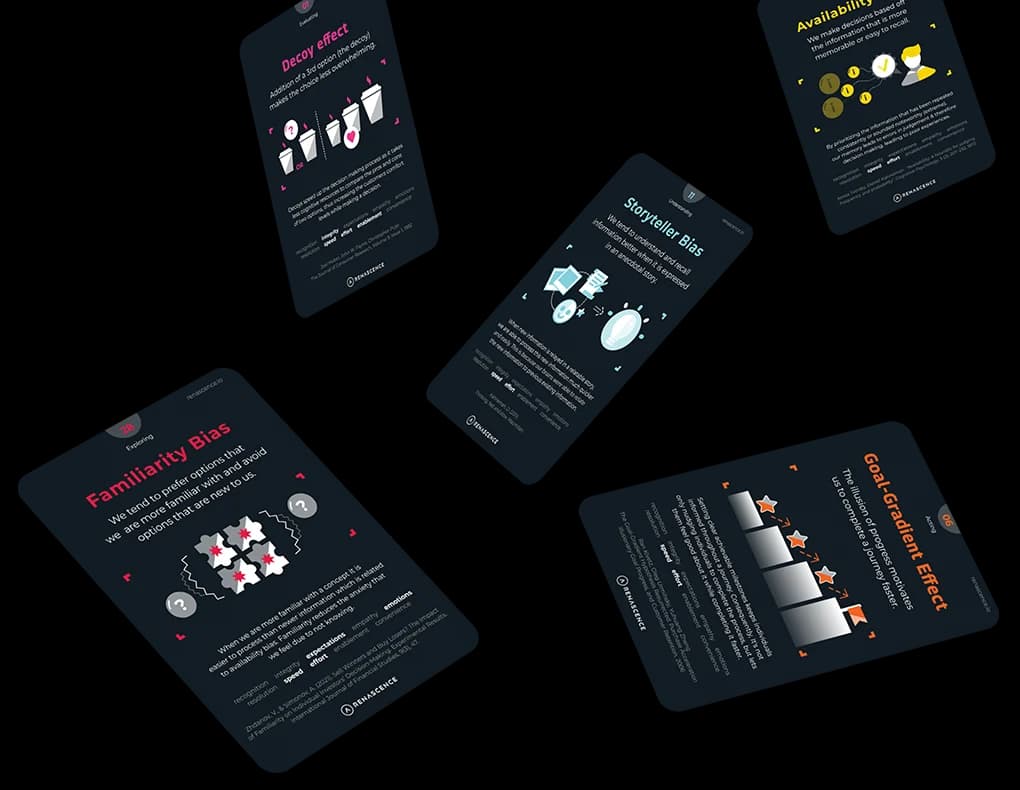
Customers don't just want speed — they want certainty and a sense of progress while they wait. Decades of service-design research show that an accurately-set expectation, paired with visible movement toward resolution, often beats an instant but shallow AI response that fails to resolve the issue. Operators pursuing AI-native contact centres should be judged not on whether wait time hits zero, but on whether first-contact resolution and trust improve alongside it — otherwise "no wait" simply becomes "fast disappointment."
Sources
This briefing was written by our Newsdesk, synthesising reporting from the outlets below. Follow the links for the original coverage.
FAQ
Questions we get on this topic
More in Customer Service
Stay ahead of CX
Get the signal, not the noise.
The stories shaping customer experience — plus the Journal and Experience Loom — in your inbox.