
Hospitality · 13 October 2026
Fake 'Stay 30 Days, Win $4M' Videos Hit Hotel Front Desks
Viral TikTok and Instagram hoaxes falsely claim guests can win $4 million for a 30-day hotel stay, leaving front-desk staff to manage confused guests and reputational fallout, Skift reports.

What happened
A wave of fake "challenge" videos circulating on TikTok and Instagram claims that hotel guests can win as much as $4 million simply by booking a 30-day stay, according to Skift. The clips are cheap to produce and spread quickly, but the hoax is landing squarely on hotel front desks, where staff are fielding confused guests who believe the payout is real.
Skift reports that hotels caught up in the trend are absorbing the operational cost: extra time spent at check-in explaining that no such promotion exists, repeated social-media clarifications, and reputational exposure when guests post about being "misled" even though the properties themselves never created or endorsed the claim.
Why it matters
This is a service-design problem dressed up as a social-media nuisance. Hotels did not create the misinformation, yet they inherit the consequences: strained front-of-house capacity, inconsistent guest messaging, and brand damage that accrues even when the property is the victim rather than the source. It is a reminder that a hotel's experience perimeter now extends well beyond its own channels — unverified viral content can set guest expectations before a traveller ever reaches the lobby.
For experience and operations leaders, the episode underlines a widening gap between how fast false claims can scale online and how slowly traditional guest-service protocols are built to respond. Front-line teams are effectively being asked to do real-time reputation triage with no playbook, which is an avoidable strain if hospitality brands build pre-emptive response capability into their service model rather than reacting property-by-property.
By the numbers
- $4 million is the payout the fake challenge videos claim guests can receive.
- 30 days is the length of stay the hoax says is required to qualify.
The Renascence take
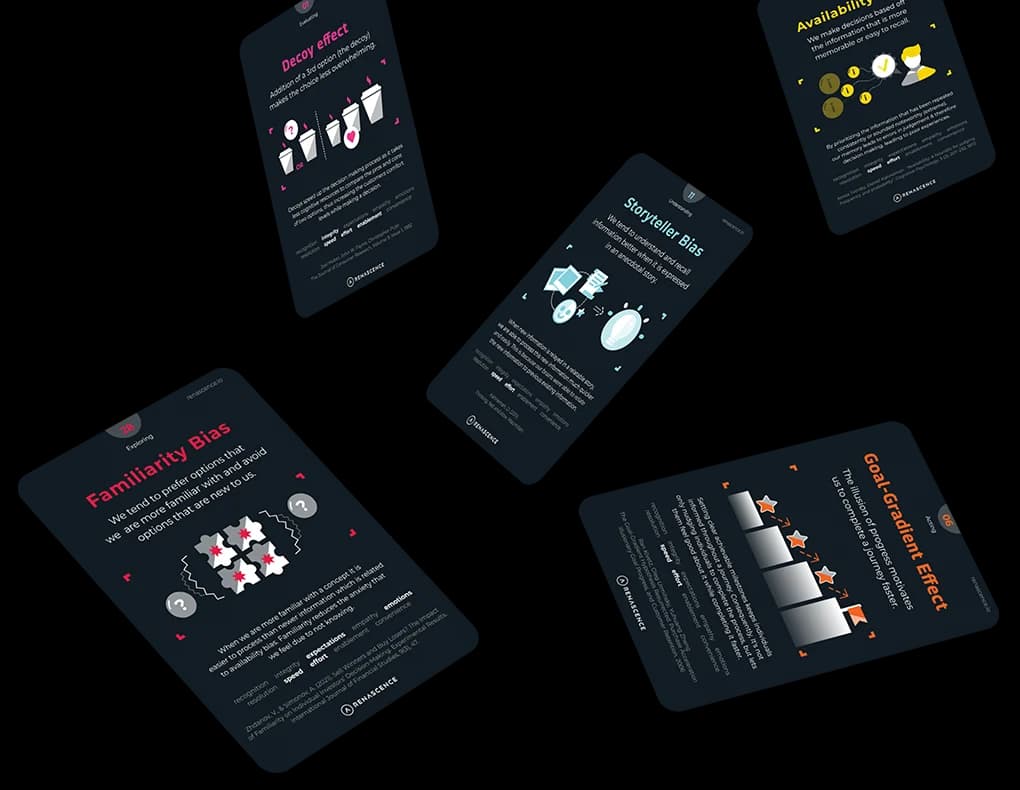
The instinctive response is to treat this as a social-media moderation headache. The more useful lens is behavioural: viral hoaxes thrive because they exploit the same expectation-setting mechanics that legitimate marketing does, and guests arrive at the desk already anchored to a promise the hotel never made.
Most hotels will treat this as a one-off PR nuisance and move on; the operators who actually protect their brand will treat it as a signal to pressure-test how quickly front-line staff can detect, correct and communicate a false guest expectation before it escalates at check-in. The fix isn't a social-media takedown request — it's a scripted, fast-response protocol that turns a confused guest into a managed moment rather than a public complaint. Expect this pattern to recur with other "too good to be true" claims, so the real asset is organisational speed in correcting misinformation, not the absence of it.
Sources
This briefing was written by our Newsdesk, synthesising reporting from the outlets below. Follow the links for the original coverage.
FAQ
Questions we get on this topic
More in Hospitality
Stay ahead of CX
Get the signal, not the noise.
The stories shaping customer experience — plus the Journal and Experience Loom — in your inbox.