




Renascenceについて

行動経済学と人間体験の交差点で生まれたコンサルティング会社。

René Studio
AIエクスペリエンススタジオ

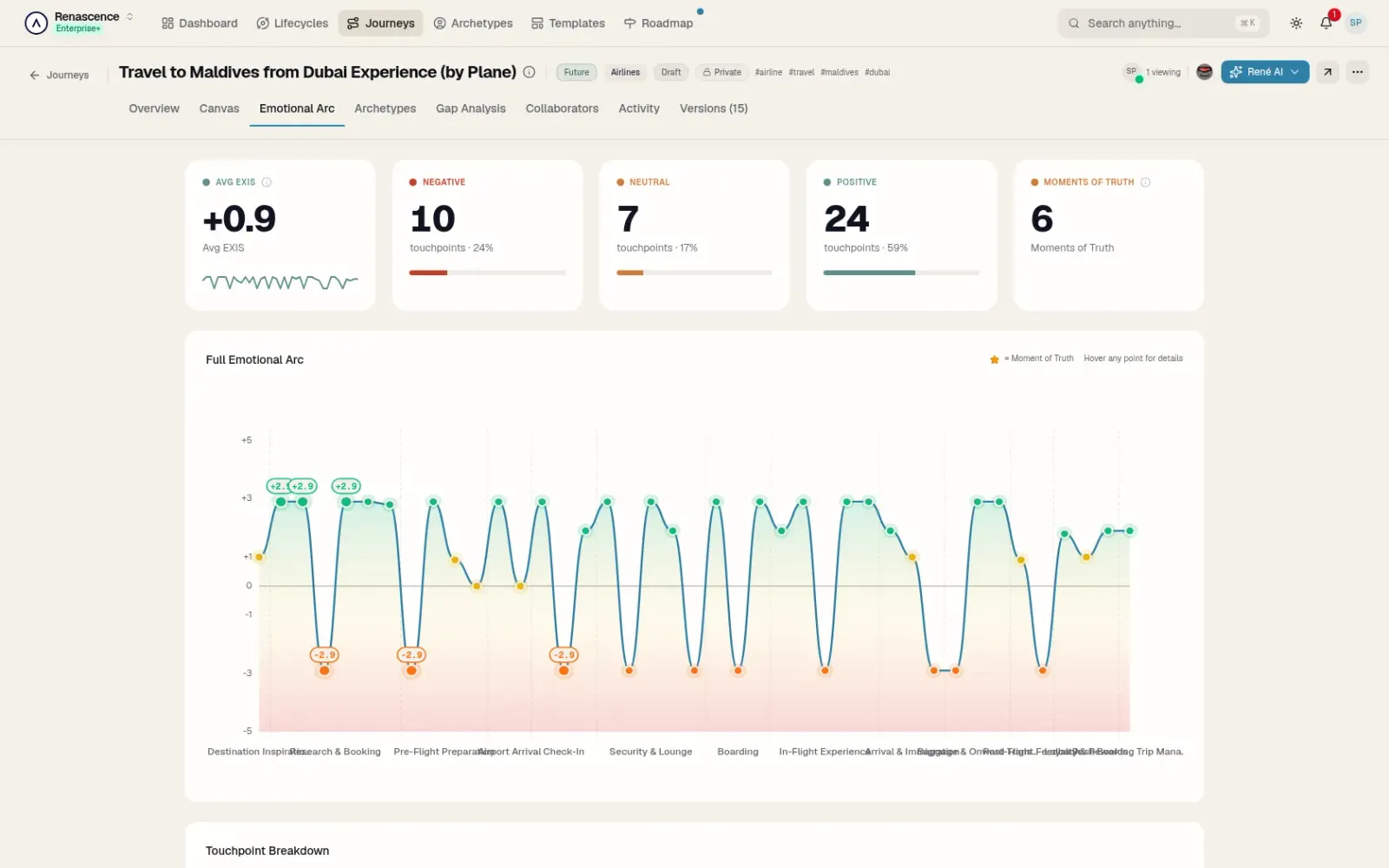
Renascenceが10年にわたるクライアントワークから構築したCXデザインプラットフォーム。

René Studioを見る
Mysterya
ミステリー監査、ライブ

ミステリー監査を全店舗で実施し、その場で採点します。

Mysteryaを探る
採用情報

世界がブランドを体験する方法を再構築するチームに参加しませんか。

募集中の職種を見る →

会社名

私たちと共に成長しませんか

接続

サービス

エンタープライズブランド向け総合CX・経営コンサルティング。

René Studio
AIエクスペリエンススタジオ

すべてのエンゲージメントをAIワークスペースでマッピング・スコアリング。

René Studioを見る
Mysterya
ミステリー監査、ライブ

ミステリーショッピング(リアルタイムで採点・証拠化)

Mysteryaを探る
全サービス

CX・経営コンサルティングサービスを詳しく見る

すべてのサービスを見る →

コア

スペシャリスト

ソリューション

CXへの意欲を測定可能な成果へと転換させる、構造化されたソリューション。

René Studio
AIエクスペリエンススタジオ

AIを活用し、再設計したジャーニーをマッピング、スコアリング、改善。

René Studioを見る
Mysterya
ミステリー監査、ライブ

設計した体験が提供されているかを確認する。

Mysteryaを探る
すべてのソリューション

Renascenceが提供するすべてのCXソリューションを見る。

ソリューションを見る →

戦略とガバナンス

デザイン&デリバリー

文化と体験

業界

地域の主要産業における10年間のCX変革。

René Studio
AIエクスペリエンススタジオ

AIが数分でスコアリングする、業界に特化したジャーニー。

René Studioを見る
Mysterya
ミステリー監査、ライブ

業界に合わせたミステリー監査をライブで採点。

Mysteryaを探る
全業種

Renascenceが各業界でどのように貢献しているかをご覧ください。

業種から探す →

建築環境

金融・テクノロジー

人々とモビリティ

製品

CX変革を推進する独自のツール、プラットフォーム、AI。

René Studio
AIエクスペリエンススタジオ

AIでカスタマージャーニーを設計、評価、改善。

René Studioを見る
Mysterya
ミステリー監査、ライブ

すべてのロケーションを監査し、発見事項に基づいて行動する。

Mysteryaを探る
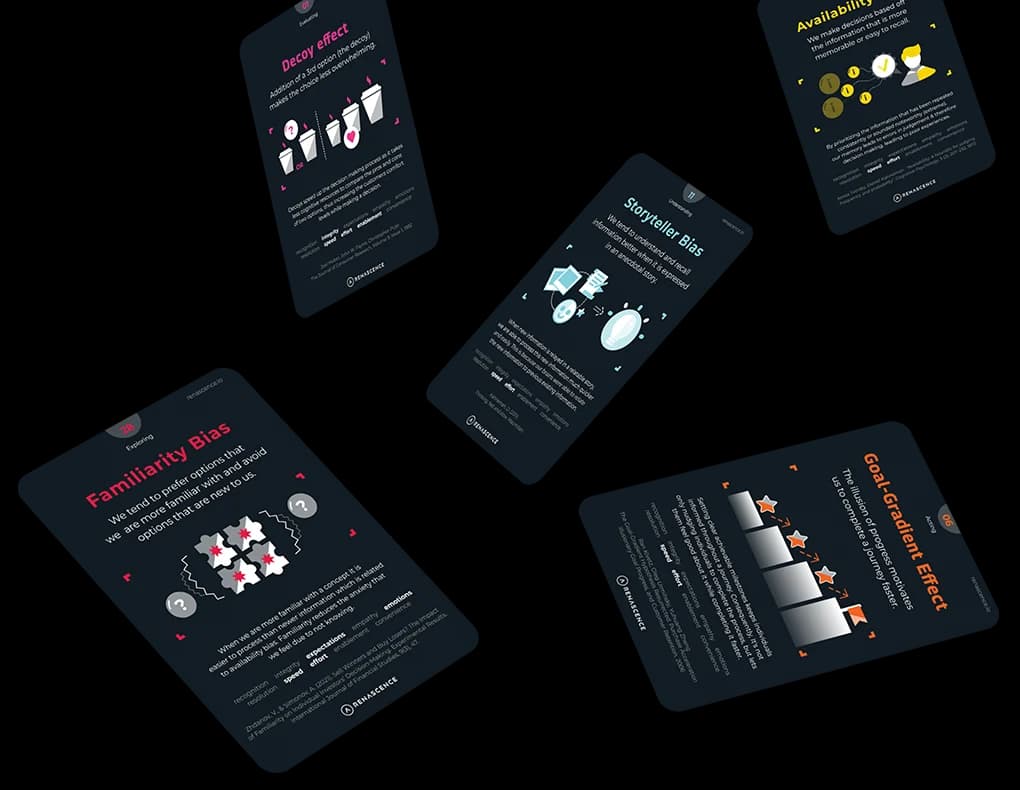
REBELDECK A · 36の原動力

人間が世界を体験する方法を形作る力。

REBEL Reveal を探索する →
すべての製品

Renascenceの全製品エコシステムを見る。

製品を閲覧する →

PLATFORMS

AI・テクノロジー

学習とフレームワーク

CXツールキット

ご意見

CXの最先端をゆくインサイト、リサーチ、対話。

René Studio
AIエクスペリエンススタジオ

読んだものをスコア化できるジャーニーに変えましょう。

René Studioを見る
Mysterya
ミステリー監査、ライブ

顧客が訪問ごとに実際に何を体験しているかを確認する。

Mysteryaを探る
読む体験ジャーナルCX、行動、変革に関する記事とリサーチ。観る・聴くエクスペリエンス・ルームCXと行動に関するビデオポッドキャスト。キュレーションCXニュースCX分野で重要な業界ニュースを厳選。

最新記事

最新エピソード

最新ニュース

ハブ

CX実践に役立つ無料ツール、テンプレート、リソース。

René Studio
AIエクスペリエンススタジオ

AIでカスタマージャーニーを設計、評価、改善。

René Studioを見る
Mysterya
ミステリー監査、ライブ

すべての訪問、すべての拠点、すべてのスコアをリアルタイムで。

Mysteryaを探る
マニフェストデッキを焼却。
10の美徳。言い訳はしない。読み始める →
THE HUB

すべての無料ツール、テンプレート、リソースを1か所に。

ハブにアクセス →

AIツール

無料ツール

学習

文化

Solution · CX戦略

CX Strategy: Turn Customer Ambition Into a Plan That Delivers

Most organisations know they want better customer experience. Few have a strategy that connects that ambition to priorities, investment, and measurable outcomes. That is what we build.

ディスカバリーコールを予約する含まれるもの

この取り組みを支えるプラットフォーム

René Studio
AI CXデザインプラットフォーム

エクスペリエンスをデザインする。

当社が再設計するすべてのジャーニーはRené Studioに保存され、EXISによって瞬間ごとにマッピングおよびスコアリングされ、貴社のチームが所有するロードマップへと変換されます。

  • ジャーニーキャンバス
  • EXISスコアリング
  • 感情の起伏
  • ロードマップ
Mysterya
ミステリー監査プラットフォーム

配信済みか確認する。

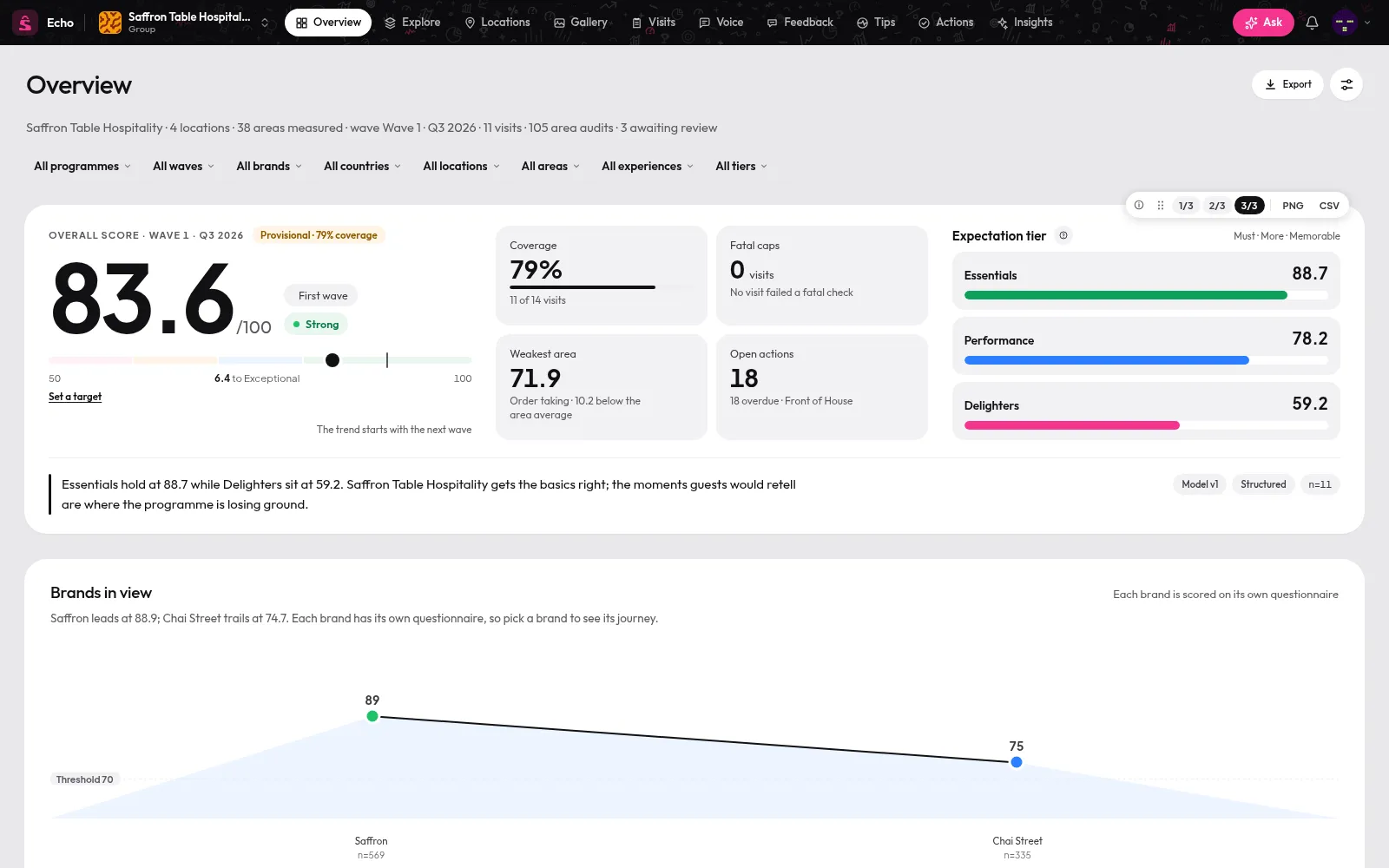
Mysteryaは、すべての拠点に監査人を派遣し、各訪問の品質をチェックし、すべてのスコアの裏付けとなる写真を表示します。
  • 監査アプリ
  • 品質チェック
  • ライブダッシュボード

01 — 概要

What is a CX strategy and what does it actually include?

A CX strategy is the plan that defines the experience an organisation intends to deliver, why it matters, and how it will get there — connecting customer ambition to business outcomes. It is not a vision statement pinned to a wall. It is a working document that aligns leadership, directs investment, and gives every team a shared answer to the question: what are we actually trying to do for customers?

Most organisations in MENA have fragments of this thinking scattered across departments — a journey map here, a Net Promoter Score target there, a service charter that nobody reads. A CX strategy pulls those fragments into a coherent whole: a defined ambition, an honest assessment of where you stand today, a set of principles that make trade-offs easier, and a roadmap that sequences the work in order of impact rather than internal politics.

The cost of not having one is higher than most leaders realise. Without a strategy, CX investment gets allocated to whoever shouts loudest. Kahneman's research on loss aversion is instructive here: organisations consistently underestimate what they are losing to poor experience — churn, lifetime value, referral — because those losses are invisible, while the cost of fixing them is visible and immediate. A CX strategy makes the invisible legible.

CX strategy is not a soft investment. The evidence on what structured, outcome-linked CX planning delivers is consistent.

Sustained over 5+ yearsBusiness case
2.4×
Revenue growth rate for CX leaders versus laggards, per Forrester's CX Index research
Industry benchmarkRetention economics
60–70%
Lower cost to retain an existing customer than acquire a new one — the core economic argument for CX strategy
Bain & Company analysisProgramme failure rate
~⅓
Of CX programmes fail to show measurable ROI — most often because they lack a strategy linking initiatives to outcomes

02 —含まれるもの

What a CX Strategy Engagement Includes

Five interconnected building blocks, each a deliverable your organisation owns and can act on — not a slide deck that ages in a shared drive.

A clear, specific statement of the experience you intend to be known for — precise enough to make decisions against, compelling enough to align leadership.

An honest baseline of where you stand today across people, process, data, and governance — so the roadmap starts from reality, not aspiration.

A short set of experience principles that resolve trade-offs when teams disagree, paired with a prioritised view of the moments that matter most to customers.

A sequenced, time-bound plan of initiatives — organised by impact and feasibility, not departmental convenience — that your organisation can resource and track.

A financial model linking CX investment to retention, lifetime value, and revenue outcomes, built to survive scrutiny in a CFO conversation.

03 —私たちのアプローチ

How We Build a CX Strategy

1

Discover

We assess your maturity, research the people involved and pinpoint the highest-impact opportunities.

2

Design

We craft the strategy and interventions, grounded in evidence and validated with real users.

3

Deliver

We implement alongside your teams, with quick wins and knowledge transfer along the way.

4

Sustain

We embed governance, measurement and tools so the gains compound over time.

04 —成果

期待できること。

1

測定可能な影響

すべてのエンゲージメントは、見せかけのスコアではなく、ビジネス指標に結びついています。

2

維持する能力

貴社チームが自ら実践できるよう、スキル、ツール、フレームワークを移転します。

3

Aligned organization

共通の基準とガバナンスにより、すべてのチームが一体となって業務を遂行します。

整合済み
一つの目標を掲げる組織
65%
平均プロセス改善
クリア
ロードマップと優先順位

05 —証明

業務で確認する。

すべての導入事例

07 — 重要性

Why CX Strategy Is the Work That Makes Everything Else Work

Without a strategy, every CX initiative is an orphan. Journey mapping, voice-of-customer programmes, service design sprints — all of them produce insight that evaporates if there is no strategic container to hold it. We have seen organisations in the Gulf run three separate NPS programmes simultaneously, each owned by a different function, each producing a different number, none of them connected to a decision. The strategy is what stops that happening.

The behavioural economics of this are worth naming. Choice architecture research shows that when teams lack a clear framework for prioritisation, they default to what is easiest to measure or easiest to fund — not what matters most to customers. A CX strategy is, in part, a choice architecture for your organisation: it sets the defaults that make the right decisions the easy ones. Thaler and Sunstein's insight applies internally as much as it does to customer-facing design.

MENA markets add a specific layer of complexity. Customer expectations here are shaped by a mix of world-class hospitality benchmarks, high digital adoption, and significant variation across nationalities and cultural contexts. A CX strategy built for this region cannot be a Western framework with Arabic text. It needs to reflect the actual service expectations, loyalty drivers, and communication norms of the customers you serve — which is why the maturity assessment and principles work are not generic templates but built from your data.

Listen: The Naked Customer podcastConversations on CX, loyalty & behavior

08 —FAQ

CX Strategy: Questions We Hear From Buyers

A CX strategy is the plan that defines the experience an organisation intends to deliver, how that connects to business outcomes, and what it will prioritise to get there. It covers ambition, current-state assessment, guiding principles, a sequenced roadmap, and a business case. It is the document that aligns leadership and directs CX investment.

It is designed for organisations that have CX ambitions but lack the strategic framework to act on them coherently — typically led by a CXO, CMO, or transformation director. It suits both organisations starting their CX journey and those that have accumulated initiatives without a unifying plan.

Journey mapping captures how customers experience specific interactions today. A CX strategy sits above that: it defines what experience you intend to deliver, why, and how you will organise to get there. Journey maps are one input into the strategy, not a substitute for it.

A focused engagement typically runs eight to twelve weeks, depending on the size of the organisation and the complexity of the customer base. The maturity assessment and stakeholder alignment phases take the most time; the roadmap and business case are built from that foundation.

Five concrete deliverables: a CX vision statement, a maturity assessment report, a set of experience principles, a prioritised CX roadmap, and a business case model. These are working documents built for internal use, not presentation decks designed for a single meeting.

Engagements are scoped and priced based on organisation size, the number of customer segments, and the depth of the maturity assessment required. We work on a fixed-fee project basis so the investment is clear before we start. Contact us for a scoped proposal.

The business case deliverable models ROI across three levers: retention improvement, share-of-wallet growth, and reduction in cost-to-serve. We tie these to your existing customer data wherever possible, so the numbers are grounded in your economics, not industry averages.

You can — and your internal team will be central to the work. What an external engagement adds is structured methodology, an unbiased view of maturity gaps that internal politics often obscure, and the ability to benchmark against comparable organisations. We also bring the facilitation to get leadership alignment, which is often harder to achieve from inside.

That disagreement is the work, not a blocker to it. The principles and priorities phase is specifically designed to surface and resolve those tensions. We use structured facilitation to move leadership from competing opinions to a shared framework — which is often the most valuable outcome of the engagement.

The maturity assessment and principles work are built from your customer data and market context, not imported from a Western template. We account for the service benchmarks set by hospitality and government sectors in the region, the high digital expectations of younger demographics, and the cultural variation across nationalities that most MENA organisations serve simultaneously.

The strategy is designed to be implemented, not filed. The roadmap includes sequenced initiatives with owners, timelines, and success metrics. Many clients engage Renascence to support implementation — through service design, CX governance design, or capability building — but the deliverables are structured so your team can run with them independently.

Book a 45-minute strategy conversation with our team. We will ask about your current CX maturity, your business context, and what you are trying to achieve — and give you an honest view of whether and how a strategy engagement fits. No obligation, no template pitch.

Renascenceをさらに探索

会話を始める

CX戦略を始めましょうか?

シニアコンサルタントとのディスカバリーコールを予約して、可能性を探りましょう。