グローバル鉱業オペレーター。Caterpillar 777フリートのパフォーマンスをデータサイエンスで最適化
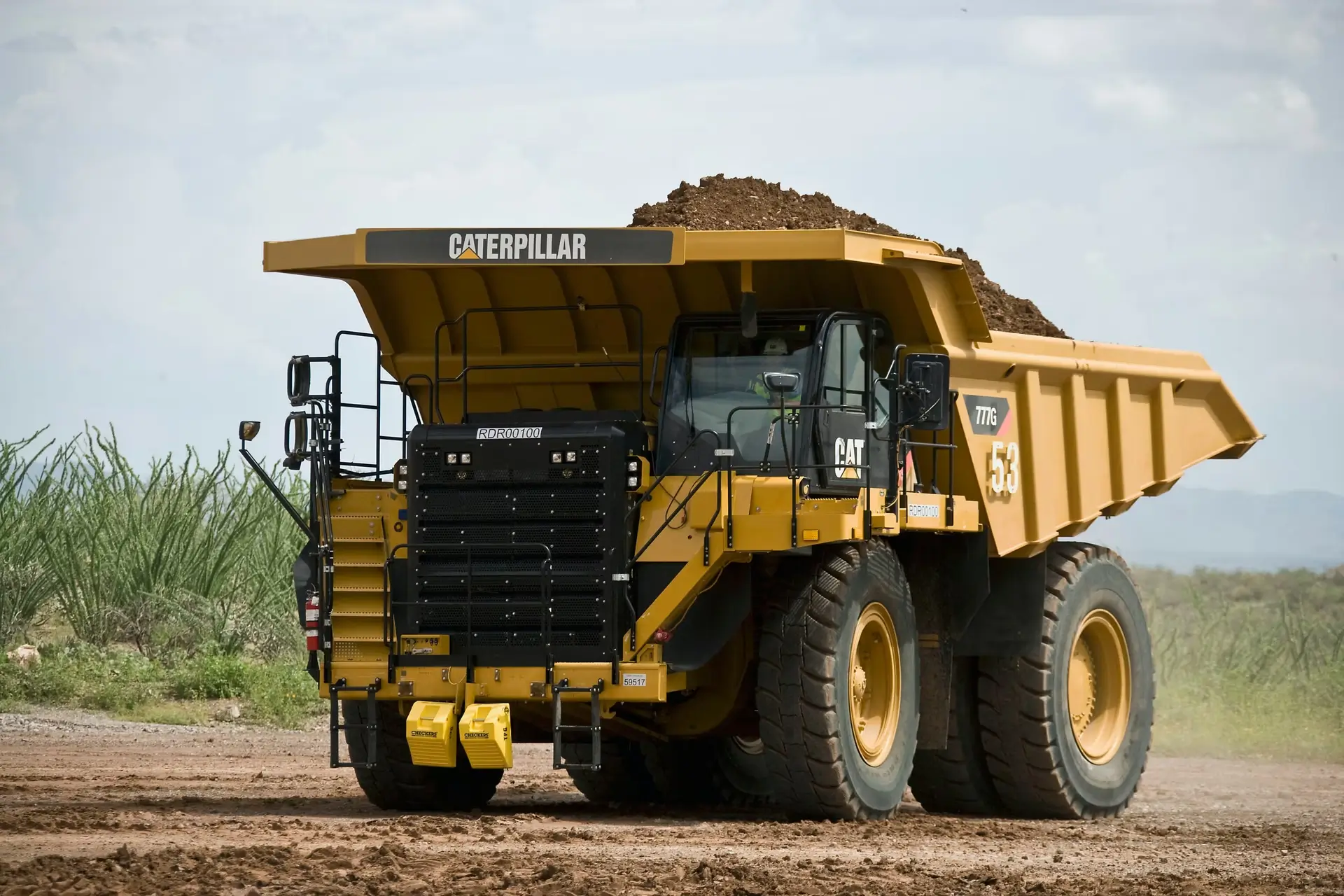
GPSテレメトリー、アイドルイベント、燃料パターンを分析することで、Caterpillar 777運搬トラックフリートのパフォーマンスを最適化しました。給油ステーションでの過剰なアイドル時間と最適ではないルーティングが運用上の課題でした。機械学習による予測、最適化された速度回廊、部分給油への移行により、有効運搬サイクルを3~7%増加させ、給油イベントあたりのダウンタイムを15~25分削減しました。これらすべてを設備投資ゼロで実現しました。
01 —The Impact
The results, up front.
3–7% increase in effective haul cycles 15–25 minutes less downtime per fueling event Annual savings and productivity impact of $2M–$6.2M Achieved entirely via process and analytics — no CAPEX
02 — The Challenge
Where they started.
The operator’s fleet encountered bottlenecks at refueling points and inefficient routing, leading to long idle times and fewer productive hauling cycles. Telemetry data existed but was not utilized to drive operational optimization. We conducted a full analysis of GPS tracks, speed curves, idle events, fuel levels, and historical cycle times. ML models were used to recommend optimal speed corridors, predict cycle time windows, and forecast fuel demand precisely enough to shift away from full-tank fueling. We also introduced high-pressure fueling complexes and developed a DS Advisor tool to assist dispatchers with real-time routing and fueling decisions. The project delivered a step-change in efficiency, all through process excellence and data-backed decisioning — requiring no new CAPEX.
04 — Approach & Methodology
How we got there.
The data revealed that full-tank fueling drastically increased refueling downtime and that trucks often queued unnecessarily. Predictive fuel-demand modeling enabled partial fueling at optimal times, which significantly decreased wait time and increased cycle availability.
Routing adjustments based on recommended speed corridors further improved predictability and reduced cycle-time variance.
05 —In Practice
Project samples.
Keep exploring Renascence
Your turn
Ready to write your own success story?
Book a discovery call and see what behavioral CX can do for your business.