









Behavioral Economics · September 9, 2024
Fading Affect Bias: Positive Events Fading More Slowly Than Negative Ones
Imagine a customer recalling a memorable vacation experience where they were treated exceptionally well by the hotel staff. Even months later, the joy and satisfaction from that positive experience linger. This scenario exemplifies the Fading Affect Bias, where positive events tend to remain more vivid in our memories over time compared to negative ones. In the context of Customer Experience (CX), understanding this bias can help businesses enhance customer satisfaction and loyalty by strategically amplifying positive experiences and mitigating negative ones.

1. Introduction to Fading Affect Bias
Imagine a customer recalling a memorable vacation experience where they were treated exceptionally well by the hotel staff. Even months later, the joy and satisfaction from that positive experience linger. This scenario exemplifies the Fading Affect Bias, where positive events tend to remain more vivid in our memories over time compared to negative ones. In the context of Customer Experience (CX), understanding this bias can help businesses enhance customer satisfaction and loyalty by strategically amplifying positive experiences and mitigating negative ones.
2. Understanding the Fading Affect Bias
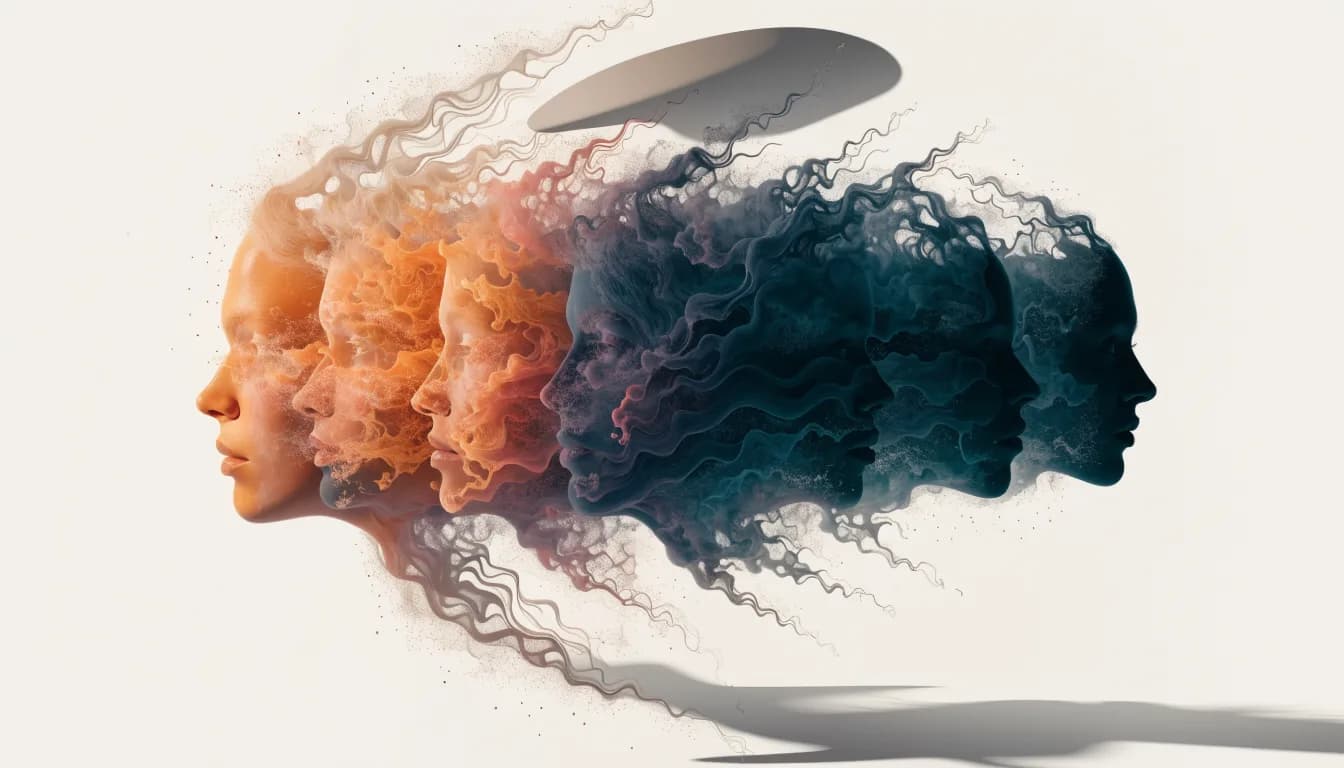
The Fading Affect Bias is a psychological phenomenon where the emotional intensity of positive memories tends to persist longer than that of negative memories. Psychologically, this bias may be due to our brain’s natural inclination towards emotional regulation and maintaining a positive outlook. In everyday decisions, this bias manifests when customers recall their experiences with a brand more favorably over time, especially if those experiences were positive, thereby influencing their likelihood to return or recommend the brand.
- Impact on Customer Behavior: Customers influenced by the fading affect bias may have a prolonged positive perception of a brand if their initial experience was favorable. For example, a customer who had a delightful dining experience is more likely to remember and revisit that restaurant, even if minor issues occurred, because the positive emotions fade more slowly.
- Impact on CX: The Fading Affect Bias in Customer Experience (CX) can enhance brand loyalty and customer retention. By creating memorable positive experiences, businesses can ensure that these moments linger in customers' minds, outweighing any subsequent minor negative interactions.
- Impact on Marketing: Marketing strategies can leverage this bias by focusing on creating and highlighting positive experiences. For instance, brands might use customer testimonials and success stories to reinforce positive perceptions that linger longer than any negative feedback.
3. How to Identify Fading Affect Bias
Identifying the influence of Fading Affect Bias in customer interactions involves several strategies:
- Customer Feedback Analysis: Regularly analyze customer feedback and reviews over time to detect changes in sentiment. Positive experiences that are frequently mentioned and maintained in customer feedback over extended periods can indicate the presence of this bias.
- Longitudinal Studies: Conduct studies to track customer sentiment over time. By repeatedly surveying customers about their experiences, businesses can observe how positive and negative memories evolve.
- Emotional Recall Testing: Use methods to test customers' recall of their experiences, asking them to describe both positive and negative events after varying periods. A higher intensity of positive recall compared to negative might suggest the fading affect bias at play.
- Customer Journey Analysis with Sentiment Tracking: Integrate sentiment analysis tools into customer journey maps to observe where positive experiences are most impactful and how they persist over time.
- Behavioral Analysis of Repeat Customers: Track the behavior of repeat customers to identify patterns where positive past experiences influence their decision to return or recommend the brand, indicating long-lasting positive affect.
4. The Impact of Fading Affect Bias on the Customer Journey
Fading Affect Bias can affect multiple stages of the customer journey, particularly in phases where emotional resonance and memory retention are crucial:
- Research: In the research stage, customers influenced by positive past experiences may be more likely to seek out familiar brands that have provided memorable experiences in the past. They rely on these positive memories to guide their search and decision-making.
- Exploration: During exploration, customers recall positive interactions more vividly and may compare new options against these cherished memories, giving preference to brands that have previously met or exceeded their expectations.
- Selection: At the selection stage, the lingering impact of positive past experiences can sway customers towards choosing brands that have previously provided a memorable experience, even if other options are available.
- Loyalty: Fading Affect Bias plays a significant role in fostering loyalty. Customers with long-lasting positive memories are more likely to remain loyal, repeat purchases, and advocate for the brand, even when faced with minor inconveniences or competitors.
- Retention: Retention efforts can benefit from the bias by continuously creating positive touchpoints that reinforce and prolong customers’ favorable memories, ensuring they remain top-of-mind.
- Recovery: When resolving issues, creating a strong positive recovery experience can ensure that this moment becomes the lasting memory, helping to neutralize or even override negative experiences.
- Referral and Advocacy: The bias also affects customers' likelihood to refer or advocate for a brand. Positive experiences that fade slowly can lead to more enthusiastic recommendations to friends and family over time.
5. Challenges Fading Affect Bias Can Help Overcome
Leveraging the Fading Affect Bias allows businesses to address several challenges:
- Reducing Negative Perceptions: By creating and reinforcing positive experiences, businesses can help diminish the impact of occasional negative interactions, making them less significant in customers' overall perception.
- Increasing Positive Brand Association: Continuously reinforcing positive experiences ensures that customers maintain a favorable view of the brand, which can lead to long-term loyalty and advocacy.
- Improving Customer Retention: When customers retain positive memories of a brand, they are more likely to return, thus enhancing retention rates.
- Enhancing Emotional Engagement: By strategically focusing on moments that create lasting positive emotions, businesses can deepen emotional engagement with their customers.
Relevant Challenges:
- Experience, Emotions, Memory, Loyalty, Trust, Satisfaction, Advocacy, and Retention are areas where the fading affect bias can enhance customer relationships by promoting positive affect and reducing the weight of negative experiences over time.
6. Other Biases That Fading Affect Bias Can Work With or Help Overcome
Enhancing Biases:
- Recency Effect: Positive experiences that are recent and memorable can enhance customer perception, especially when these experiences are fresh in their minds.
- Confirmation Bias: Customers with a strong positive memory of a brand may seek out information that reinforces this memory, leading to a more favorable overall perception.
- Mere Exposure Effect: Repeated exposure to positive brand experiences can increase familiarity and positive feelings, which enhances the overall customer relationship.
Overcoming Biases:
- Negativity Bias: By focusing on creating strong, positive experiences, businesses can counterbalance the natural tendency to focus more on negative events.
- Sunk Cost Fallacy: Customers who have invested emotionally in positive past experiences may continue to choose the brand, even if faced with a potentially better option, due to the lingering positive affect.
- Impact Bias: Managing customer expectations through consistently positive experiences can reduce the impact of overestimating the emotional effect of future events, aligning perception with reality.
7. Industry-Specific Applications of Fading Affect Bias
- E-commerce: Online retailers like Nordstrom leverage customer service to create memorable shopping experiences, ensuring that positive interactions are recalled more vividly than any negative experiences.
- Healthcare: Healthcare providers focus on patient care and positive outcomes to ensure that these memories overshadow any discomfort or inconvenience experienced during treatment.
- Financial Services: Banks and financial advisors aim to create trust and positive associations through transparent communication and exceptional service, which can help in reducing the recall of any minor service lapses.
- Technology: Companies like Google foster positive user experiences through intuitive design and reliable performance, ensuring that any issues are overshadowed by the overall positive perception of the brand.
- Hospitality: Luxury hotels like Four Seasons create memorable guest experiences through personalized service, ensuring that positive memories are retained longer than any potential inconveniences.
- Education: Educational institutions focus on positive experiences in learning environments, such as supportive faculty and engaging curriculums, which enhance students' long-term satisfaction and loyalty.
- Telecommunications: Telecom companies create positive touchpoints through excellent customer service and transparent billing practices, reducing the impact of any service disruptions.
- Real Estate: Real estate agencies focus on creating positive client experiences through seamless transactions and supportive guidance, ensuring that these positive memories linger and promote referrals.
- Automotive: Car dealerships offer personalized sales and after-sales service to create a positive buying experience that customers remember fondly, encouraging repeat business.
- Retail: Retailers like Costco focus on customer satisfaction and a no-hassle return policy to create positive shopping experiences, ensuring these outweigh any occasional dissatisfaction.
- Pharmaceuticals: Pharmaceutical companies focus on positive patient outcomes and clear communication about medication benefits to create favorable long-term perceptions.
- Utilities: Utility companies emphasize positive customer service experiences and transparent communication to foster long-lasting positive customer perceptions.
8. Case Studies and Examples
- E-commerce Example: Zappos
Zappos is known for its exceptional customer service, which creates memorable positive experiences. These experiences often overshadow any minor negative interactions, contributing to high customer loyalty and satisfaction. - Healthcare Example: Cleveland Clinic
Cleveland Clinic emphasizes patient-centered care and exceptional service, creating positive experiences that patients remember, even if there were challenges during treatment. - Hospitality Example: Ritz-Carlton
Ritz-Carlton’s commitment to personalized service creates memorable experiences that guests recall long after their stay, ensuring positive memories overshadow any minor inconveniences. - Retail Example: Nordstrom
Nordstrom’s focus on customer service excellence ensures that positive shopping experiences are remembered longer, encouraging repeat business and positive word-of-mouth.
9. So What?
Understanding and leveraging the Fading Affect Bias is essential for businesses aiming to enhance Customer Experience (CX). This bias highlights the importance of creating positive, memorable experiences that linger in customers' minds longer than negative ones. By intentionally crafting these experiences, businesses can cultivate stronger emotional connections with their customers, leading to increased loyalty, positive word-of-mouth, and repeat business.
Focusing on memorable moments helps to mitigate the impact of occasional negative experiences, ensuring that customers’ overall perception of the brand remains favorable. For example, a hotel that provides an exceptional check-out experience with a personalized farewell and a small token of appreciation can leave a lasting positive impression, even if there were minor issues during the stay. This approach ensures that the positive emotions associated with the brand fade more slowly, overshadowing any negatives and fostering a stronger, more enduring customer relationship.
To effectively utilize this bias, businesses should aim to create and highlight positive experiences across all customer touchpoints. This could include proactive customer service, surprise rewards for loyalty, or exceptional service recovery efforts that turn potentially negative situations into positive memories. By embedding such strategies into your CX framework, you can harness the power of the Fading Affect Bias to drive customer satisfaction, retention, and advocacy.
To explore how you can integrate these insights into your own customer experience strategies, learn more about our Customer Experience services and the role of Behavioral Economics in CX for creating long-lasting, positive customer relationships.
Related reading

Writing on how human behavior shapes the experiences brands deliver — at the intersection of behavioral economics and customer experience.
Stay ahead of CX
Get the Journal in your inbox.
Insights, frameworks and event round-ups from the Renascence team. No spam, ever.