

Customer Loyalty · March 31, 2025
Customer Experience (CX) and Personalization: The Impact on Customer Loyalty
In the age of behavioral data, AI, and emotional segmentation, personalization is no longer a marketing buzzword—it’s a strategic imperative for CX. And nowhere is its impact more profound than in Customer Loyalty.
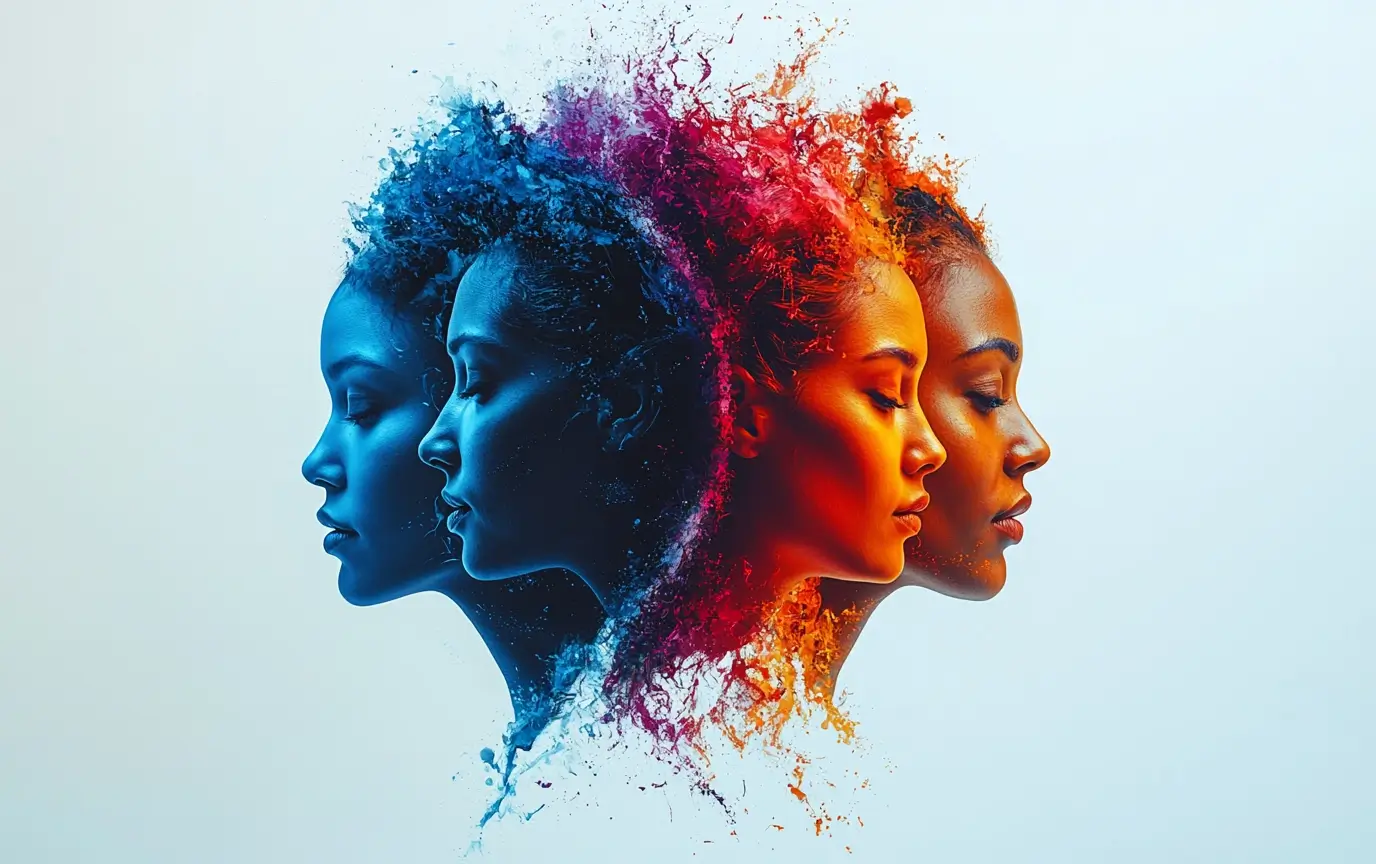
There was a time when simply remembering a customer’s name felt like personalization. In 2026, that’s just the starting point. Today, personalization is the catalyst that turns transactions into relationships and customers into advocates.
In the age of behavioral data, AI, and emotional segmentation, personalization is no longer a marketing buzzword—it’s a strategic imperative for CX. And nowhere is its impact more profound than in Customer Loyalty.
But here’s the twist: it’s not about being creepy or overfamiliar. It's about being relevant, respectful, and timely. Personalization must feel human—even when it's powered by algorithms.
This article explores how personalized experiences drive loyalty, what best practices look like, and how to avoid personalization fatigue. And we’ll explore Renascence’s approach to behavioral personalization as part of a comprehensive Customer Experience Strategy.
Redefining Personalization in the Experience Economy
Personalization used to mean using the customer’s name in an email. In 2026, it means understanding the customer’s mindset, context, and emotional state—and tailoring interactions accordingly.
Modern personalization includes:
- Recommending based on past emotional preferences, not just clicks
- Adapting communication tone to behavioral segments
- Offering dynamic pathways depending on journey stage and intent
It’s no longer about “you bought this, so here’s that.” It’s about what matters to you now, and how we can make your experience smoother, faster, or more meaningful.
Renascence defines personalization in CX as the deliberate design of relevance, control, and emotional resonance, all calibrated in real-time across channels.
True personalization is not a message—it’s a moment. A moment where the customer feels seen and valued.
The Psychological Basis of Personalized Loyalty
To understand why personalization fuels loyalty, we must tap into Behavioral Economics.
Human beings are wired to respond to recognition, relevance, and control. When customers experience something that feels designed “just for them,” they experience:
- Reciprocity bias: I’m more likely to stay loyal to a brand that knows me
- Endowment effect: I place higher value on what feels personalized to me
- Emotional tagging: I remember the experience longer because it felt unique
This creates a memory anchor—a reference point that influences future choice. Over time, personalized experiences become expectations, and expectations become loyalty drivers.
Renascence integrates behavioral theory into loyalty program design by creating personalized rituals that feel emotionally significant. These aren't just offers—they’re affirmations of identity.
When customers feel known, they behave as if they belong. And belonging drives loyalty.
The CX-Loyalty Link: How Personalization Strengthens It
Customer Experience and loyalty are two halves of the same heartbeat—and personalization is what synchronizes them.
A well-executed Customer Experience strategy enhances loyalty in three measurable ways:
- Reduces friction – Personalized shortcuts and recommendations minimize decision fatigue
- Increases satisfaction – Tailored experiences meet needs proactively
- Strengthens emotional connection – Customers feel the brand “gets” them
One UAE-based telecom integrated behavioral personalization into its self-service portal. Customers were offered tailored troubleshooting paths based on account history and tone analysis of previous chats. The result? A 24% increase in digital resolution rate and a 19% boost in loyalty program engagement.
Loyalty doesn’t grow from points—it grows from relevance.
Types of Personalization: Functional vs. Emotional
Not all personalization is equal. Leading brands in 2026 understand that functional personalization is just the beginning—the real impact comes from emotional personalization.
Functional Personalization:
- Name usage
- Purchase history recommendations
- Location-based alerts
- Loyalty tier perks
Emotional Personalization:
- Adapting tone based on mood or past feedback
- Predicting needs based on life events or behavior
- Offering surprise “thank yous” that align with emotional context
For example, a healthcare provider working with Renascence developed patient journeys based on behavioral segmentation: anxious patients received more proactive information; confident ones were given more autonomy. The result? Improved satisfaction and improved adherence to treatment plans.
Functional personalization says, “We remember.” Emotional personalization says, “We understand.”
Avoiding the Creepy Factor: Personalization Ethics
Personalization walks a fine line. Get it wrong, and it feels invasive. Mention a product you browsed once in private mode, and you lose trust. Ask for feedback too soon, and it feels manipulative.
To avoid the “creepy factor,” CX leaders must:
- Use transparent data policies with plain language
- Offer clear opt-in and opt-out mechanisms
- Build personalization based on value exchange (“We’ll serve you better if we know this”)
- Focus on helpfulness, not pushiness
Renascence helps brands design personalization ethics charters—aligning with internal compliance and customer emotional logic. The result? Greater trust, fewer unsubscribes, and a stronger loyalty loop.
Personalization must feel like a gift, not a trick.
Technology That Powers Personalized CX
You can’t personalize at scale without the right tech—but tech alone doesn’t guarantee relevance.
2026 personalization technology includes:
- CDPs (Customer Data Platforms) for unified profiles
- AI-driven engines that analyze behavior and mood
- Personalization orchestration platforms that deliver dynamic content in real-time
- Behavioral tagging tools that categorize customers by emotional needs, not just segments
Renascence often sees brands collect data without a strategy. The fix? Start with the moment you want to personalize, then identify the data required—not the other way around.
Technology should enable empathy, not replace it.
Personalization Across the Customer Journey
Personalization doesn’t belong in just one phase—it must be threaded across the entire customer journey.
Here’s how it evolves:
- Awareness: Tailor content to intent and mindset
- Consideration: Adapt language and offers to behavioral style
- Purchase: Use prior history to remove obstacles
- Post-Purchase: Recommend based on satisfaction data, not just product logic
- Loyalty: Recognize and celebrate milestones, preferences, and emotional signals
Renascence redesigned the onboarding flow for a property developer’s tenant app. Using behavioral nudges and personalized support flows, they saw a 28% increase in app engagement within 30 days and a measurable improvement in retention.
Personalization is not an event. It’s an evolving conversation.
Measuring the ROI of Personalized CX
Personalization often feels intangible—but in 2026, we can measure its impact with precision. The return on personalized experience can be captured in both emotional and financial terms, provided you know where to look.
Here’s what to measure:
- Repeat purchase rate by segment: Are personalized journeys generating more return business?
- Time-to-conversion: Are customers moving faster through the funnel?
- Net Emotional Value (NEV): How does personalization impact how customers feel?
- Customer Lifetime Value (CLV): Does personal relevance extend the relationship?
- Opt-out and unsubscribe rates: Are we maintaining trust?
One Renascence client in the education sector redesigned its admissions experience using behavioral segmentation and personalized content. Families that received emotionally attuned content completed applications 34% faster and were 17% more likely to enroll.
To make personalization measurable, CX leaders must:
- Align personalization tactics with CX pillars, especially Recognition, Expectations, and Enablement
- Connect touchpoints with journey-stage KPIs
- Regularly audit personalization “effectiveness vs. creepiness” balance
If you're not measuring how personalization changes behavior, you're just making noise.
How Loyalty Programs Must Evolve with CX
Traditional loyalty programs are built on transactions: spend more, earn more. But that model is fading fast. In 2026, customers are loyal to experiences—not just points.
That means loyalty programs must evolve to:
- Reward engagement, not just spend (e.g., feedback, advocacy, community involvement)
- Adapt rewards based on behavioral preference, not blanket offers
- Recognize life events, milestones, and emotional triggers
A leading mall group in the Middle East working with Renascence redesigned its loyalty structure to include emotional cues—sending personalized appreciation messages on school holidays, or after a major purchase. Result? A 22% increase in redemption rates, and better program satisfaction.
More brands are building “loyalty moments” into Customer Experience—deliberate, personalized gestures that create emotional stickiness.
In the loyalty of the future, personalization is the program.
Case Study: Personalization in Action at a Luxury Brand
A UAE-based luxury wellness brand partnered with Renascence to improve customer retention and deepen engagement across their service offerings—from spa treatments to lifestyle product subscriptions.
Challenge: High first-time satisfaction, but low return visits.
Approach:
- Created behavioral profiles based on emotional motivation (relaxation, control, discovery, indulgence)
- Personalized post-visit communication using tone and channel preferences
- Introduced “signature rituals” tailored to profile type (e.g., slow welcome for anxious guests, confident affirmations for regulars)
- Replaced static discounts with dynamic rewards based on profile type
Results:
- 39% increase in second-visit bookings
- Positive reviews tripled in emotionally resonant language
- Loyalty opt-ins rose by 44%
This wasn’t personalization for convenience—it was personalization for emotional continuity.
Great personalization doesn’t just ask, “What did they buy?” It asks, “How did they want to feel?”
Common Mistakes to Avoid in Personalization
Not all personalization is good personalization. Some of it backfires. Here's where brands often go wrong:
- Over-personalization: Repeating names, preferences, or history too often
- Incorrect data assumptions: Sending irrelevant offers due to outdated or misinterpreted data
- Channel mismatch: Using email when customers prefer WhatsApp, or vice versa
- Tone inconsistency: Being overly casual or too formal, depending on the moment
CX leaders must avoid treating personalization as a checkbox. It requires:
- Contextual understanding, not just data
- Consistent tone across journeys
- Real-time flexibility—because what’s personal today might be annoying tomorrow
Renascence recommends quarterly audits of personalization flows, including friction testing and customer interviews. Because personalization is not “set and forget”—it’s design, test, learn, and adapt.
Bad personalization is worse than none at all—it breaks trust.
Designing Personalization With Rituals and Ceremonies
The most memorable personalization isn’t found in tech—it’s found in rituals.
Customer Rituals and Ceremonies help transform personalization from something reactive into something emotionally anticipated.
Examples:
- Personalized onboarding ceremonies for high-value clients
- Birthday messages that reference emotional preferences, not just names
- Predictive surprise moments after milestone purchases
Renascence helped a real estate group develop welcome rituals for tenants moving into luxury units. Each ritual was co-designed with emotional outcomes in mind—confidence, celebration, safety. These became signature touchpoints, referenced repeatedly in satisfaction feedback.
Rituals are sticky. They become brand memory anchors.
When personalization becomes a ceremony, it becomes unforgettable.
Final Thought: Personalization Is Loyalty’s Emotional Engine
Personalization is not about data—it’s about dignity. About recognizing the individual within the customer. About moving from relevance to relationship.
In 2026, the brands that will win are those that don’t just collect data, but use it to elevate, enable, and emotionally connect. That’s where loyalty begins—not with the click of a card swipe, but with the moment a customer feels the brand “knows them.”
Renascence’s approach to personalization is rooted in behavioral economics, emotional design, and systemic CX frameworks. Because loyalty isn’t bought—it’s earned, remembered, and repeated.
Related reading
Writing on how human behavior shapes the experiences brands deliver — at the intersection of behavioral economics and customer experience.
Stay ahead of CX
Get the Journal in your inbox.
Insights, frameworks and event round-ups from the Renascence team. No spam, ever.