

Customer Experience · September 9, 2024
Customer Archetype Definition: An In-Depth Exploration
In the field of Customer Experience (CX), understanding the nuances of customer behavior is crucial for designing impactful and resonant interactions. One of the most powerful tools in achieving this is the concept of Customer Archetypes.
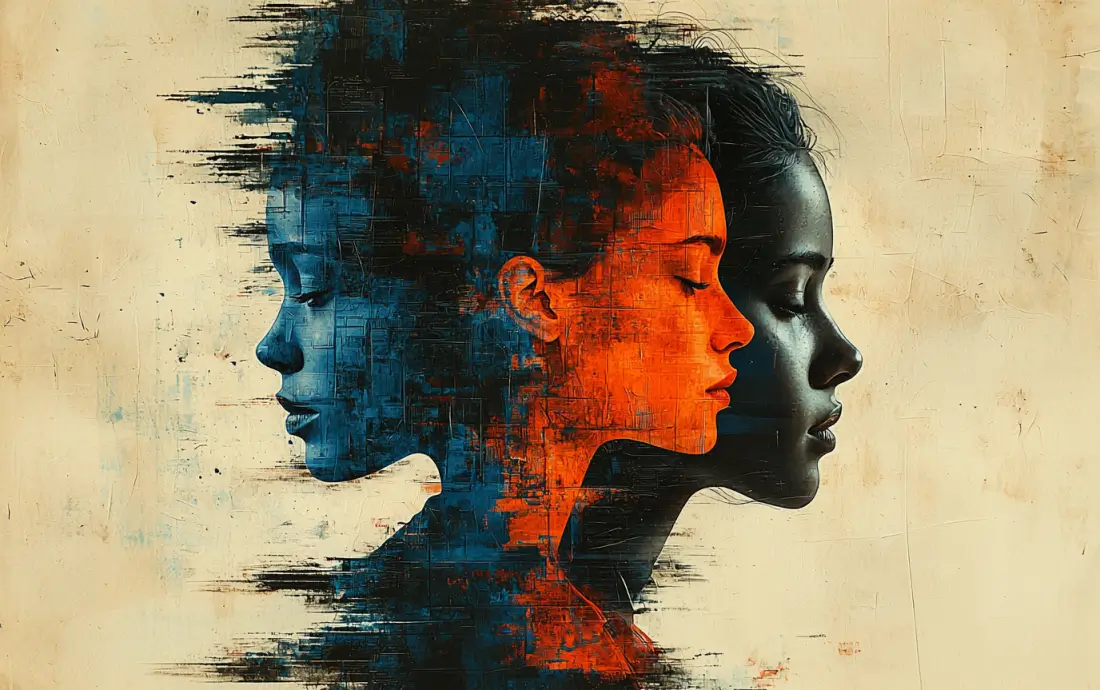
1. Introduction
In the field of Customer Experience (CX), understanding the nuances of customer behavior is crucial for designing impactful and resonant interactions. One of the most powerful tools in achieving this is the concept of Customer Archetypes. Unlike personas, which focus on demographics and behavior, archetypes delve into the psychological and emotional drivers behind customer actions. In this article, we will explore the definition of a customer archetype, how it differs from other customer profiling tools, and why it is a vital component of a successful CX strategy.
2. What is a Customer Archetype?
A Customer Archetype is a comprehensive and deeply rooted representation of your customers that goes beyond surface-level characteristics. It encapsulates the core motivations, desires, fears, and values that drive customer behavior. Unlike customer personas, which often rely on demographic data and specific behaviors, archetypes focus on the underlying psychological and emotional factors that influence how customers interact with a brand.
Key Elements of a Customer Archetype:
- Core Motivations: What drives the customer to engage with your brand? This could include factors like a desire for security, a need for recognition, or a passion for innovation.
- Fears and Challenges: What are the primary fears or challenges that this customer faces? Understanding these can help you design solutions that alleviate these concerns.
- Values and Beliefs: What values and beliefs guide the customer’s decisions? These could be related to ethical considerations, brand loyalty, or personal goals.
- Behavioral Tendencies: How does this customer typically behave when interacting with your brand? This includes their preferred channels, purchasing habits, and decision-making processes.
- Emotional Triggers: What specific triggers cause the customer to take action, whether positive or negative? These could be related to pain points, customer service experiences, or marketing messages.
3. How is a Customer Archetype Different from a Persona?
While both Customer Personas and Customer Archetypes aim to create a detailed picture of your customers, they differ significantly in their focus and application.
Personas:
- Data-Driven: Personas are typically built using demographic and behavioral data. They include details like age, gender, occupation, and purchasing habits, which are often derived from quantitative research methods.
- Specific and Narrow: Personas are usually tied to a specific customer segment or product line. They provide a snapshot of a particular group’s characteristics and are often used in targeted marketing campaigns.
- Behavioral Focus: The focus of personas is on what the customer does—how they shop, what they buy, and where they engage with the brand.
Customer Archetype Examples
- The Safety Seeker
- Description: The Safety Seeker prioritizes security and stability above all else. They are risk-averse and prefer products and services that offer long-term reliability and protection. This archetype is commonly found in industries like banking, insurance, and healthcare, where trust and security are paramount.
- The Convenience Lover
- Description: The Convenience Lover values ease of use and efficiency in all aspects of their life. They are drawn to brands that simplify their routines, offering quick solutions and streamlined services. This archetype is prevalent in industries like technology, retail, and food delivery, where speed and accessibility are key.
- The Ethical Consumer
- Description: The Ethical Consumer is driven by strong moral values and a desire to make a positive impact. They prioritize sustainability, ethical practices, and social responsibility in their purchasing decisions. This archetype is commonly seen in the fashion, food, and beauty industries, where ethical considerations are increasingly important.
- The Experience Seeker
- Description: The Experience Seeker is motivated by the desire for unique and memorable experiences. They value novelty, adventure, and personal growth, often choosing brands that offer something out of the ordinary. This archetype is prominent in the travel, hospitality, and entertainment industries, where creating immersive experiences is key.
- The Status Seeker
- Description: The Status Seeker is focused on social recognition and prestige. They are attracted to luxury brands and exclusive products that elevate their status and reflect their success. This archetype is often found in the luxury goods, automotive, and high-end real estate sectors, where exclusivity and quality are emphasized.
Archetypes:
- Psychological Depth: Archetypes are developed using a mix of quantitative and qualitative data, with a strong emphasis on understanding the "why" behind customer behaviors. This includes insights from psychological studies, in-depth interviews, and ethnographic research.
- Broad and Universal: Archetypes are designed to be more universal, capturing shared motivations and behaviors across multiple segments. They are not tied to a single product line or campaign but are used to guide broader CX strategies.
- Motivational Focus: The focus of archetypes is on why the customer behaves the way they do—what drives their decisions, what emotional needs they are trying to fulfill, and how their values align with your brand.
Customer Persona Examples
- Emily, The Tech-Savvy Millennial
- Age: 28
- Occupation: Marketing Professional
- Behavior: Emily is highly engaged with technology and values convenience. She prefers online shopping and is influenced by peer reviews and social media. She frequently updates her gadgets and is always on the lookout for the latest tech innovations.
- John, The Family-Oriented Dad
- Age: 42
- Occupation: Finance Manager
- Behavior: John prioritizes his family’s well-being and seeks products and services that cater to their needs. He values safety, reliability, and quality, often choosing brands that offer family-friendly options and promote a healthy lifestyle.
- Samantha, The Budget-Conscious Student
- Age: 22
- Occupation: College Student
- Behavior: Samantha is highly budget-conscious and often looks for deals and discounts. She prefers affordable brands that offer good value for money and frequently uses coupons and promotional codes to save on purchases.
- David, The Health Enthusiast
- Age: 35
- Occupation: Software Engineer
- Behavior: David is passionate about health and fitness. He regularly purchases health supplements, organic foods, and workout gear. He prefers brands that offer high-quality, natural products and values expert advice on maintaining a healthy lifestyle.
- Linda, The Luxury Traveler
- Age: 50
- Occupation: Executive Vice President
- Behavior: Linda enjoys luxury travel and is willing to spend on premium experiences. She values exclusivity, comfort, and personalized service, often choosing five-star hotels and first-class flights for her vacations.
For businesses looking to create deep, meaningful connections with their customers, archetypes offer a richer, more nuanced understanding of the customer journey. They allow for the creation of experiences that are not only personalized but also emotionally resonant, leading to stronger customer loyalty and satisfaction.
4. Best Practices for Defining Customer Archetypes
Creating effective Customer Archetypes requires a thoughtful and strategic approach. Here are some best practices to keep in mind:
1. Start with Comprehensive Research
Begin with a mix of qualitative and quantitative research. Conduct interviews, focus groups, and surveys to gather insights into your customers' motivations, fears, and values. Use this data to identify patterns and commonalities that can be used to build your archetypes.
2. Involve Cross-Functional Teams
Involve stakeholders from different departments—such as marketing, sales, customer service, and product development—to contribute their insights. This ensures that your archetypes are well-rounded and applicable across various aspects of the business.
3. Focus on Emotional Drivers
Pay particular attention to the emotional and psychological factors that influence customer behavior. Understanding these drivers will help you design experiences that resonate on a deeper level.
4. Align Archetypes with Brand Values
Ensure that your archetypes align with your brand’s core values and mission. This alignment will guide your CX strategy, helping to create consistent and authentic experiences for your customers.
5. Use the Customer Archetype Template
Renascence offers a Customer Archetype Template that provides a structured approach to defining and applying archetypes. The template helps you capture key details such as motivations, fears, values, and emotional triggers, ensuring that your archetypes are comprehensive and actionable.
5. Why Customer Archetypes Matter in CX
Customer Archetypes play a crucial role in shaping effective Customer Experience (CX) strategies. By focusing on the deeper motivations and emotions of your customers, archetypes allow you to create experiences that are not just personalized but also deeply engaging and meaningful. Here’s why they matter:
- Deeper Connection: Archetypes help businesses connect with customers on an emotional level, which is key to building long-term loyalty.
- Improved CX Design: Understanding the emotional and psychological drivers of your customers enables you to design CX strategies that are more aligned with their needs and expectations.
- Enhanced Brand Loyalty: When customers feel understood and valued, they are more likely to develop a strong, positive connection with your brand.
- Strategic Alignment: Archetypes ensure that your CX initiatives are aligned with your brand’s core values, leading to more consistent and authentic customer interactions.
6. Conclusion
Customer Archetypes are a powerful tool in the arsenal of any business looking to elevate its Customer Experience (CX) strategy. By going beyond surface-level characteristics and diving deep into the psychological and emotional drivers of customer behavior, archetypes provide a more holistic and nuanced understanding of your audience. Whether you are just starting out with CX design or looking to refine your existing strategies, incorporating archetypes can help you create experiences that resonate on a deeper level and drive lasting customer loyalty. Explore the Customer Archetype Template from Renascence to start applying these insights in your own business today.
Related reading
Writing on how human behavior shapes the experiences brands deliver — at the intersection of behavioral economics and customer experience.
Stay ahead of CX
Get the Journal in your inbox.
Insights, frameworks and event round-ups from the Renascence team. No spam, ever.