Behavioral Economics · September 9, 2024
Behavioral Science & CX
Behavioral science is the multidisciplinary study of human behavior, and it challenges the notion that customers make rational decisions.

As a Customer Experience (CX) professional, your role centers around understanding customer needs and ensuring that interactions with your company are as satisfying and effective as possible. This involves everything from resolving customer queries to designing user-friendly interfaces and creating compelling marketing strategies.
But have you ever considered that the key to elevating these tasks could lie in behavioral science?
Behavioral science is the multidisciplinary study of human behavior, and it challenges the notion that customers make rational decisions.
This school of thought delves into the unconscious motivations for customer decisions. Behavioral Science strategy helps you identify the unconscious biases and heuristics that influence customer behavior. This is a powerful tool that can offer deep insights into your customers and refine your CX strategy.
1. Decoding Customer Behavior
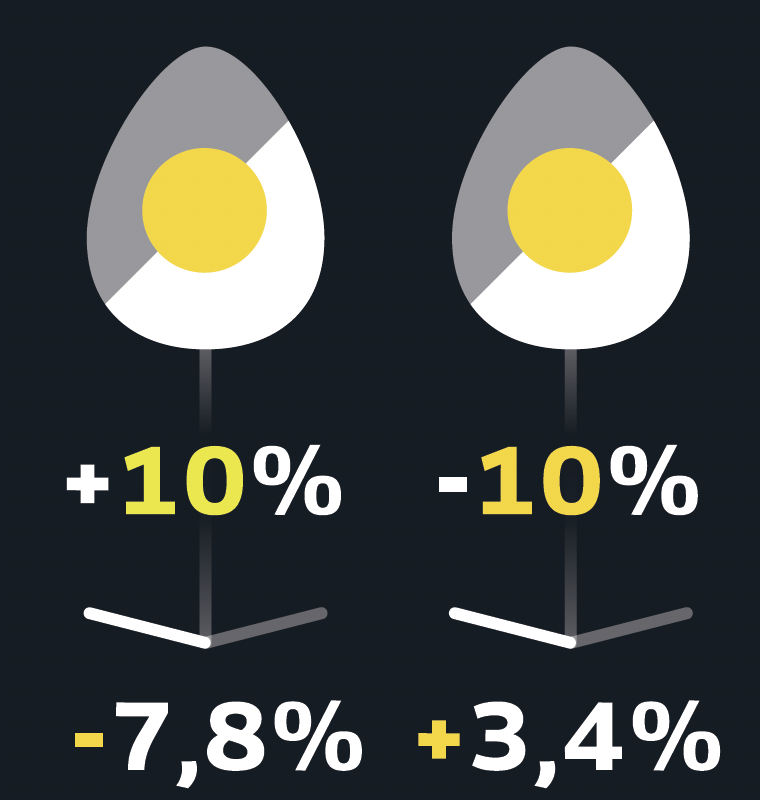
The first step in enhancing CX is understanding what drives your customers. Behavioral science offers a structured lens to decipher what influences decisions, perceptions, and actions. For example, 'loss aversion,' a concept from behavioral economics, shows people are generally more motivated to avoid losses than to acquire equivalent gains.In an early study, an experimenter observed loss aversion through the supply and demand of eggs.
When there was a 10% price increase on eggs the demand decreased by 7,8%, and when there was a 10% decrease in the price of eggs, the demand only increased by 3,4%.By emphasizing the potential losses customers might incur without your product or service, you can sway purchasing decisions and boost sales.
2. Hyper-Personalization
Personalizing experiences for each unique customer is paramount in CX. Behavioral science, paired with AI and machine learning, can predict, and interpret customer behavior, paving the way for hyper-personalization. For example, data might show that a customer responds better to email marketing over social media promotions. Harnessing this insight allows you to adjust your communication strategy and provide a more personalized experience.
You can use the following AI tools to help you create personalised experiences:
3. Boosting Customer Satisfaction
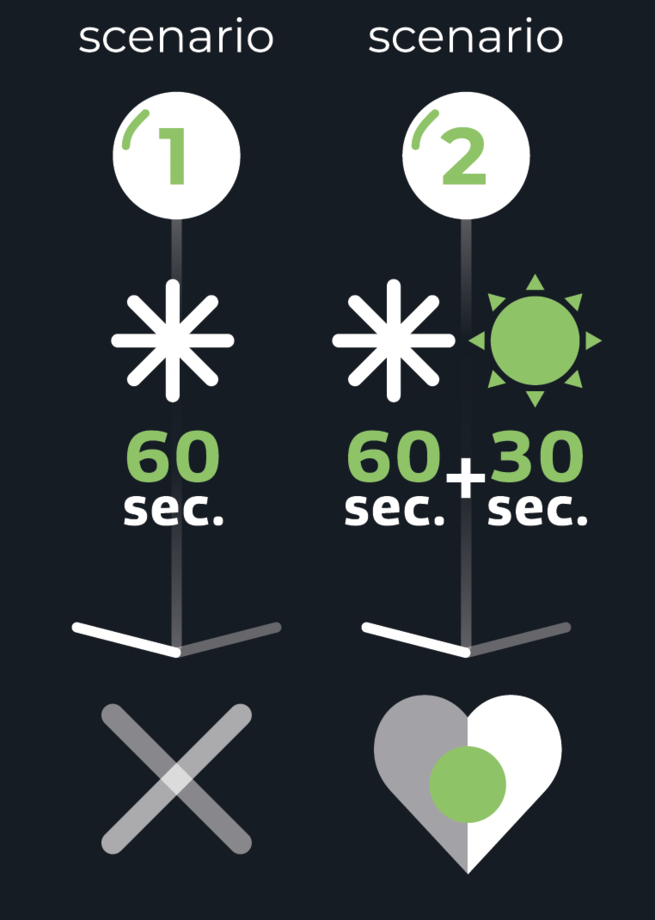
Applying behavioral science can significantly elevate customer satisfaction and loyalty. The 'peak-end rule' is a psychological principle stating that people judge an experience mostly based on its peak (most intense point) and end.In an experiment, participants were told to put their hands in ice-cold water for 60 seconds. In the next scenario, participants were told to put their hands in ice-cold water for 60 seconds and for an extra 30 seconds while the water warmed up. Researchers then asked participants which scenario they preferred, and results revealed that most participants preferred the second scenario, even though the uncomfortable experience lasted longer. This was attributed to the peak-end rule because, toward the end of the journey, participants could feel the water warm, which caused them to prefer option 2.Businesses can benefit from this rule to strategically engineer experiences with strong positive peaks and endings, enhancing the overall satisfaction.
4. Influencing Behavior with Nudges
'Nudging' is a behavioral science technique where customers are subtly guided towards desired behaviors while preserving their freedom of choice. It's a handy tool for directing customers towards beneficial actions like signing up for newsletters or making eco-friendly choices. Simple nudges could include rearranging menu items or reframing how options are presented.
5. Proactive Problem-Solving
Lastly, behavioral science aids in identifying patterns in customer behavior for proactive problem-solving. By anticipating issues before they occur, you can implement preventive measures. For example, if customers frequently abandon their shopping carts due to a lengthy checkout process, you can work to make the process more efficient and reduce customer frustration.
To illustrate these principles in action, consider an experiment conducted by a renowned online retailer. They hypothesized that customers abandon carts due to perceived long delivery times and applied the principle of “Present Bias” (people generally preferring immediate rewards over future ones). The retailer tested two sets of language: "Get it in 7 days" vs. "Get it by next Friday". The latter, giving a specific date but technically the same timeframe, led to a significant decrease in cart abandonment, showing how a simple tweak based on behavioral science can improve CX.
Using behavioral science ethically and responsibly allows you to decode customer behavior, personalize experiences, boost satisfaction, subtly influence decisions, and pre-emptively tackle issues. This multidisciplinary approach could be the game-changer your CX strategy needs, unlocking insights that can set your business apart in a customer-centric world.
Related reading


Writing on how human behavior shapes the experiences brands deliver — at the intersection of behavioral economics and customer experience.
Stay ahead of CX
Get the Journal in your inbox.
Insights, frameworks and event round-ups from the Renascence team. No spam, ever.